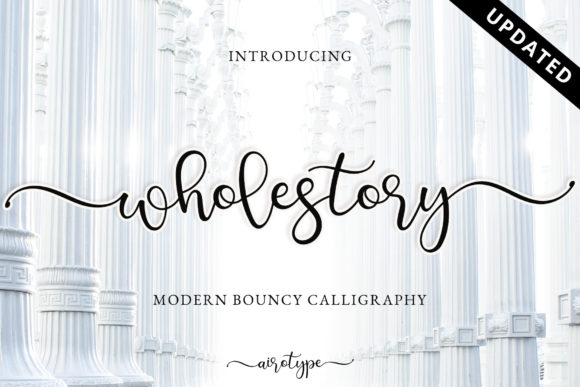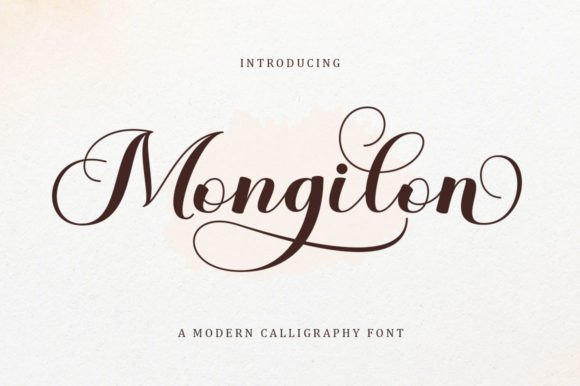
Cottage Style: A Handwritten Font for Elegant Design
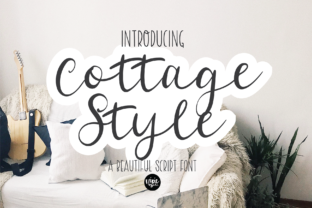
In a digital world often dominated by sharp edges and uniformity, a touch of handcrafted warmth can make a design truly unforgettable. This is where the Cottage Style font excels, offering a beautiful script hand-lettered aesthetic that instantly elevates projects with a personal, artisanal quality. It’s a versatile asset for any designer’s toolkit, capable of transforming standard layouts into compelling visual narratives.
The Role of Authentic Typography in Modern Design
Typography is a cornerstone of effective visual communication. The right font doesn’t just display words; it conveys mood, establishes hierarchy, and builds brand recognition. In an era of design trends that blend modern aesthetics with nostalgic charm, handwritten fonts like Cottage Style provide a crucial balance. They inject personality and authenticity into digital and print designs, helping brands stand out in crowded markets. This font’s flowing, elegant script supports a polished professional presentation while maintaining a human touch that resonates with audiences.
Practical Applications for Creative Projects
The true value of a creative asset lies in its adaptability. Cottage Style’s design makes it suitable for a wide array of applications, ensuring consistency across multiple platforms and mediums.
- Branding and Logo Design: It can form the core of a brand identity for businesses wanting to project elegance, craftsmanship, or boutique appeal. Think specialty bakeries, wedding planners, artisan goods, or lifestyle blogs.
- Marketing and Social Media Graphics: Use it for headings in digital marketing campaigns, Instagram quotes, or Facebook ads to grab attention and improve user engagement. Its visual impact helps content perform better in crowded feeds.
- Editorial and Web Design: Incorporate it into magazine layouts, blog post titles, or website hero sections to create a strong visual hierarchy. Paired with a clean sans-serif for body text, it enhances readability and guides the user’s eye.
- Packaging and Print Design: On product labels, invitations, or stationery, the font adds a tactile, premium feel that elevates the unboxing experience and strengthens brand perception.
Integrating Design Assets Effectively
Successfully using a distinctive font like Cottage Style requires more than just placement; it demands thoughtful integration into your overall design workflow. Here are key considerations:
- Prioritize Readability: While beautiful, script fonts are best used for headlines, accents, or short phrases. Ensure body copy uses a highly legible typeface to maintain clear communication and a positive UX design.
- Consider Scalability: Test the font at various sizes. Its details should remain crisp and recognizable whether used on a large banner or a small business card, which is vital for responsive web design and print applications.
- Harmonize with Color and Imagery: Choose a color palette that complements the font’s warmth. Soft neutrals, earth tones, or muted pastels often work well. Pair it with imagery that reflects its handcrafted ethos, such as natural textures or minimalist photography.
- Maintain Brand Consistency: If implementing it for a client, document its use within brand guidelines. Specify its primary applications (e.g., quotes, subheadings) to ensure a cohesive identity across all touchpoints, from UI design to advertising campaigns.
Ultimately, the choice of typography is a fundamental design decision that influences every aspect of a project’s success. Selecting a high-quality, versatile font like Cottage Style is an investment in your creative output. It empowers you to craft visuals that are not only aesthetically pleasing but also strategically effective, ensuring your message is communicated with clarity, elegance, and a memorable personal touch. Thoughtful design choices, supported by professional assets, are what separate good work from great.