Mongilon: The Handwritten Font for Modern Design
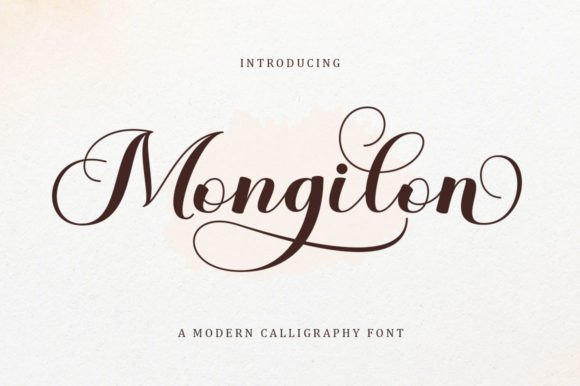
In the crowded landscape of digital typography, finding a font that feels both personal and professional can transform a project from ordinary to unforgettable. Mongilon is an appealing, elegant, and unique handwritten font that offers exactly this blend. Expertly designed to become a true favorite, this font has the potential to take your creative ideas to the highest level, providing a distinct voice for any visual communication.
Understanding the Role of Typography in Branding
Typography is a cornerstone of visual design, directly influencing how a brand is perceived. The right typeface can convey warmth, sophistication, innovation, or tradition without saying a word. For designers and business owners, selecting a font like Mongilon is a strategic decision. Its handwritten quality injects authenticity and human touch into a brand identity, which is increasingly valuable in an era dominated by digital interfaces. This font helps bridge the gap between professional polish and approachable personality, making it a powerful creative asset.
Practical Applications Across Creative Projects
The versatility of a well-crafted handwritten font extends far beyond a simple logo. Mongilon’s elegant strokes and PUA coding, which means you can easily access all the glyphs and strokes, make it suitable for a wide array of applications where a personal touch enhances communication and engagement.
- Logo Design and Brand Identity: Create logos that feel bespoke and memorable, perfect for boutique brands, artisanal products, or lifestyle businesses seeking a unique visual hierarchy.
- Marketing Materials: Elevate brochures, flyers, and posters with headlines that capture attention and convey a message with personality, improving overall visual impact.
- Social Media Graphics: Stand out in fast-scrolling feeds with quotes, announcements, or promotions that have a handcrafted, authentic aesthetic, boosting user engagement.
- Website and UI Design: Use it selectively for hero text, calls-to-action, or decorative elements to add warmth to a digital experience, balancing it with a clean sans-serif for readability.
- Editorial and Packaging Design: In print design, it can add a luxurious or artisanal feel to magazine layouts, book covers, or product packaging, enhancing the unboxing experience.
Tips for Effective Implementation
Integrating a distinctive font into your design workflow requires thoughtful application. To ensure Mongilon enhances rather than overwhelms your project, consider these practical guidelines rooted in graphic design principles.
Prioritize Readability and Hierarchy: While expressive, handwritten fonts are best used for short bursts of text like headings or accents. Pair it with a highly legible body font to maintain a clear visual hierarchy. Ensure sufficient contrast between text and background, especially for digital and UI design where user experience is paramount.
Maintain Brand Consistency: If you adopt Mongilon for a brand identity, document its use within your style guide. Define its application for specific contexts—such as hero banners, pull quotes, or specific social media formats—to ensure consistency across all touchpoints, from web design to print materials.
Evaluate Scalability and Compatibility: Test the font at various sizes to confirm its legibility on both small mobile screens and large print formats. Consider how its color and weight interact with your broader color palette and imagery. A successful design system is one where all elements, including typography, feel cohesive and intentional.
Ultimately, the power of a creative asset like Mongilon lies in its ability to communicate a specific tone and emotion. By making deliberate, informed choices about typography and other visual elements, designers and creators can craft experiences that resonate deeply with their audience. Quality design assets are not just about beauty; they are tools for clearer communication, stronger branding, and more effective storytelling, elevating every creative project from concept to final presentation.