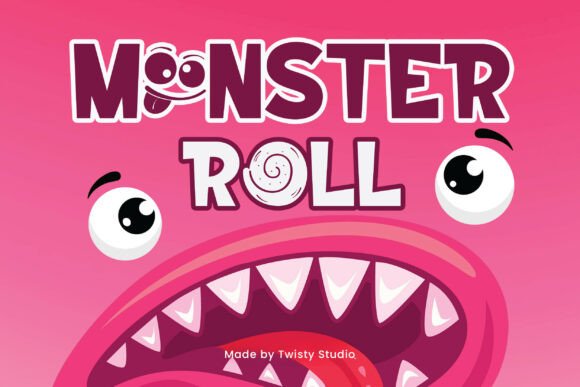
Monster Roll: Unleashing Playful Energy in Modern Design
Every designer knows the struggle: finding a typeface that doesn't just sit on the page but leaps off it, demanding attention and injecting pure personality into a project. Enter Monster Roll, a display font that throws convention out the window with its goofy charm and monster-sized presence, offering a solution for projects that need to roar with fun.
This isn't just another novelty typeface. Monster Roll represents a strategic tool in a designer's arsenal for specific, high-impact applications. In a landscape saturated with clean sans-serifs and elegant serifs, its playful shapes and characterful details provide a powerful way to break through visual noise. It excels where the goal is immediate emotional connection—think joy, whimsy, and unadulterated fun. For graphic design professionals, understanding when and how to deploy such a bold asset is key to effective visual communication.
Practical Applications Across Design Disciplines
The true value of a font like Monster Roll lies in its versatility for targeted creative projects. Its personality shines brightest in contexts where engagement and memorability are paramount. Consider these practical applications:
- Bringing Brands to Life: For toy companies, children's book publishers, or family entertainment venues, Monster Roll can form the core of a vibrant brand identity. Its inherent character makes logos and mascots instantly recognizable and emotionally resonant.
- Commanding Attention in Marketing: In digital marketing and social media graphics, where scrolls are fast and attention spans are short, this font acts as a visual magnet. It's perfect for headlines in advertising campaigns, email headers, or promotional materials for events and products targeting a younger demographic.
- Enhancing User Experience: Within UI design for children's apps, educational games, or interactive web experiences, Monster Roll can guide users with a friendly, approachable voice. Its quirky letterforms can make instructions or calls-to-action feel less like commands and more like invitations to play.
- Elevating Packaging and Print: On packaging design for snacks, cereals, or toys, this font guarantees shelf appeal. It translates the product's playful spirit directly into its visual presentation, making it a standout choice in editorial design for kid-focused magazines or book covers.
Integrating Bold Typography Effectively
Adopting a characterful font like Monster Roll requires thoughtful integration into a broader design system to maintain professionalism and clarity. Here are key considerations for designers:
- Prioritize Visual Hierarchy: Use Monster Roll exclusively for headlines, subheadings, or key branding elements. Pair it with a clean, highly readable sans-serif for body text to ensure legibility and create a balanced composition. This establishes a clear hierarchy where the playful font grabs attention and the neutral font delivers information.
- Respect the Audience: Always align typographic choices with audience expectations. While perfect for children's content or playful branding, it may not suit a corporate law firm's annual report. Understanding the project's goals is the first step in asset selection.
- Test for Scalability: Ensure the font remains legible and retains its charm at various sizes, from a small social media icon to a large printed banner. Good design assets are versatile within their intended range.
- Color and Context: Monster Roll pairs exceptionally well with bright, saturated color palettes that reinforce its energetic vibe. Consider the overall aesthetic—does the color scheme, supporting imagery, and layout style complement the font's playful nature?
Ultimately, the most successful creative projects are built on intentional choices. Selecting a typeface is not merely an aesthetic decision but a communicative one. A resource like Monster Roll demonstrates how a single, well-designed asset can inject a specific tone and energy into a multitude of deliverables, from merchandise to presentations. By thoughtfully integrating such distinctive elements, designers and creators can craft visual experiences that are not only beautiful and on-brand but also genuinely engaging and memorable for their audience.