Medieval Newspaper: A Font for Timeless Design
Imagine unearthing a centuries-old broadsheet in the quiet archives of a Belgian abbey, its ink slightly faded, its serifs speaking of a bygone era. This is the authentic inspiration behind the Medieval Newspaper font, a typeface that brings genuine historical texture and narrative depth to contemporary graphic design projects.
Beyond the Gimmick: Strategic Typography in Modern Design
In a digital landscape saturated with sleek, minimalist sans-serifs, a font like Medieval Newspaper offers a powerful point of differentiation. Its value isn't merely in its antique aesthetic but in its ability to establish a specific mood, convey heritage, and create an immediate emotional connection with an audience. For graphic designers, this typeface is a strategic creative asset, not just a decorative one. It solves the challenge of making a brand feel established, trustworthy, and rich with story—a key component of effective visual communication and brand identity.
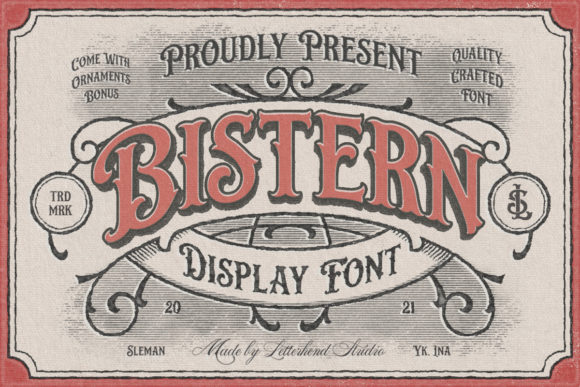
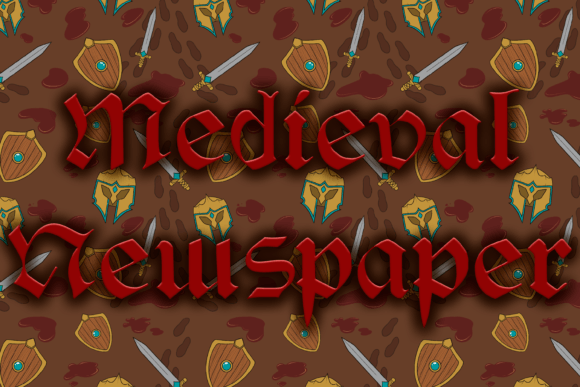
The font's slightly irregular baselines and textured edges, hallmarks of its historical printing press origin, contribute to a unique visual hierarchy. This allows designers to guide the viewer's eye with intention, using the typeface itself as a focal point in layouts. When integrated thoughtfully, it enhances the user experience by adding a layer of authenticity that purely digital fonts often lack.
Practical Applications for Impactful Projects
The true test of any creative asset is its versatility. Medieval Newspaper excels across a range of applications, provided it is used with a clear understanding of its character and audience.
- Branding & Logo Design: Ideal for craft breweries, historical societies, artisan bakeries, or boutique hotels seeking a logo with built-in heritage and character. It instantly communicates tradition and quality.
- Editorial & Packaging Design: Creates stunning magazine headlines, book covers, or food packaging that demands attention and tells a story of craftsmanship and timelessness.
- Marketing & Social Media Graphics: Use for event posters, holiday campaigns, or social media posts to break through the noise. Its distinctive look improves engagement and memorability in crowded feeds.
- Web & UI Design: Best used sparingly for impactful headlines, hero text, or pull quotes on websites. It pairs exceptionally well with clean, modern body fonts, creating a dynamic contrast that elevates the overall design.
- Advertising & Presentations: Adds a powerful narrative punch to campaign taglines or keynote slides, helping to anchor a message in a sense of history and authority.
Integrating a Distinctive Font into Your Workflow
Successfully incorporating a strong stylistic font like Medieval Newspaper requires more than just installation. It demands a thoughtful approach to ensure it enhances rather than overwhelms your design system.
First, always consider readability and scalability. While perfect for large display sizes, test it at smaller scales to ensure legibility isn't compromised. Second, establish a visual pairing. Combine it with a neutral, highly readable font for body copy to maintain clarity and a modern aesthetic. A classic serif or a clean sans-serif often provides the perfect balance. Third, be mindful of your color palette. The font's textured nature works beautifully with muted, earthy tones, rich blacks, and cream backgrounds, but can also create a striking contrast against vibrant, modern colors for a more eclectic feel.
Finally, align its use with your audience expectations and design goals. It is a typeface of personality. Use it to reinforce a specific brand voice—be it rustic, luxurious, scholarly, or whimsical—and it will become a cornerstone of your visual storytelling.
In the end, the power of a resource like Medieval Newspaper lies in its ability to bridge the past and present. By choosing typography that carries historical weight and visual narrative, designers and creators do more than just arrange letters; they craft experiences, build richer brand identities, and communicate with a depth that resonates long after the initial view. Thoughtful selection of such assets is what transforms good design into memorable, effective communication.